My Journey Learning to Make Flan
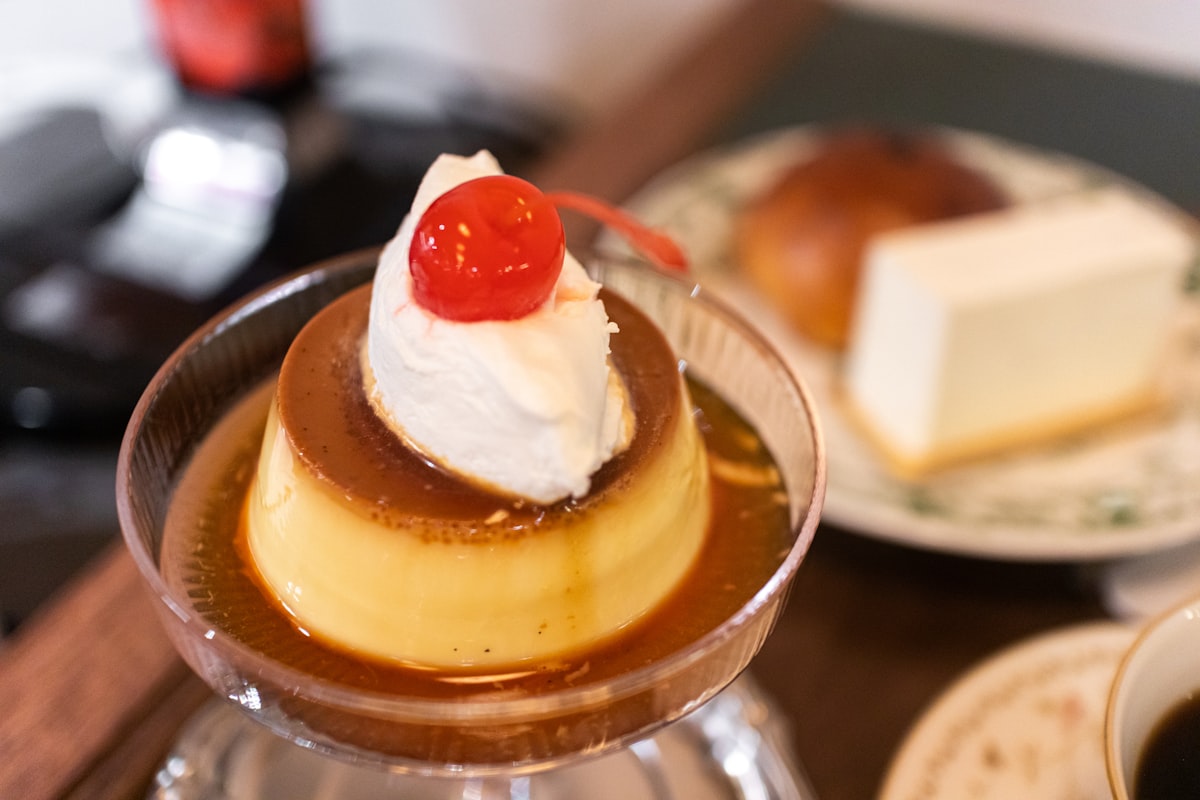
I can tell you the exact moment I fell in love with flan. I was at a friend's grandmother's house, and she set down a plate with a trembling golden dome on it, amber caramel sliding down the sides into a little pool. I took one bite and the whole thing dissolved — cool, silky, barely sweet, with this deep burnt-sugar edge. I went home that night absolutely certain I could make it. After all, the ingredient list was almost laughably short. Eggs, milk, sugar. How hard could it be?
Reader, it was hard. This is the story of how flan humbled me, batch after batch, until it finally taught me to slow down.
The First Disaster
My first flan came out looking like a sponge. Not a smooth custard — an actual sponge, full of little holes, rubbery enough to bounce. I was baffled. I had followed a recipe. I had used the right ingredients. What I hadn't understood was that custard is a fragile, temperature-sensitive thing, and I had baked it at far too high a temperature, too fast. The eggs had essentially scrambled in slow motion.
I remember standing in my kitchen, fork in hand, poking at this bouncy yellow disk and feeling genuinely offended. Three ingredients. How was I losing to three ingredients?
What I didn't know yet was that flan isn't really about ingredients at all. It's about gentleness.
The Caramel That Fought Back
If the custard was my first enemy, the caramel was my second. The recipes all made it sound so simple. "Cook the sugar until amber." Easy. So I dumped sugar in a pan, turned the heat to high, and walked away to check my phone.
When I came back, I had a pan of black, acrid, smoking carbon that smelled like a campfire and a wave of regret. I tried again, watching this time, and pulled it off the heat the second it turned pale gold — which meant it was barely caramelized at all, more like sweet syrup, with none of that bittersweet complexity that makes flan taste like flan.
It took me probably five attempts to understand caramel's narrow window. Sugar goes from clear to gold to amber to burnt in a span of maybe ninety seconds, and once it starts moving, it moves fast. You cannot leave it. You cannot multitask. You have to stand there, swirling the pan, watching the color shift, and trust yourself to pull it at that perfect amber — dark enough to be complex, light enough to not be bitter. The first time I nailed it, I actually said "oh!" out loud to my empty kitchen.
I also learned, painfully, that molten caramel is one of the hottest things in a home kitchen. I learned this by touching it. Please learn it from me instead.
The Crack Down the Middle
So I had decent caramel. I had figured out, more or less, that I needed a lower oven temperature. And my next flan came out — and there was a crack running right across the top, with a strange dry, overcooked ring around the edge while the center was still loose.
This was the water bath lesson. A bain-marie, the recipes called it, which sounded fancy and unnecessary, so naturally I had been skipping it. Big mistake. The water bath isn't optional decoration. It insulates the custard, keeps the heat gentle and even, and stops the edges from cooking way ahead of the middle. Without it, the outside overcooks and toughens while the inside is still raw, and the whole thing cracks from the stress of uneven setting.
The first time I actually used a proper water bath — nestling my dish into a roasting pan and pouring hot water halfway up the sides — the difference was night and day. The custard set evenly, edge to center, smooth as glass. I felt like I'd discovered fire.
Learning to Read the Jiggle
The next thing flan taught me was how to tell when it's done, and this is genuinely the hardest skill to put into words. Custard should come out of the oven before it looks fully set. The center should still wobble — not slosh like liquid, but jiggle like jelly, moving as one soft unit when you nudge the pan.
For the longest time I overbaked, because every instinct screamed that a jiggly center meant raw. But custard, like cookies, keeps cooking after it leaves the oven, and it sets further as it chills. Pull it when it's still jiggly, let it cool, refrigerate it overnight, and you'll find it has set into exactly the right silky texture. Bake it until it's firm in the oven and you'll get something dense and overcooked.
That overnight chill, by the way, is not a suggestion either. I learned that the hard way too — impatiently flipping out a barely-cooled flan and watching it collapse into a sad puddle on the plate. Flan needs time. At least four hours, ideally overnight, both to set properly and to let the caramel at the bottom melt into that glossy sauce that pours over the top when you unmold it.
The Strain I Almost Skipped
Here's a small step I ignored for ages because it seemed fussy: straining the custard through a fine sieve before baking. I figured if I whisked well enough, I wouldn't need it.
I was wrong, of course. Straining catches the little bits of cooked egg, the stringy chalazae from the yolks, any stubborn lumps. It is the difference between a custard that's smooth and one that's glass-smooth — and once you've tasted the glass-smooth version, you can't go back. It takes thirty seconds. I do it every single time now.
The Batch That Finally Worked
I still remember the flan that finally came together. Amber caramel, swirled to coat the dish without burning. Custard whisked gently — gently, because beating in too much air creates bubbles and holes — then strained until silky. The water bath, hot and steady. A low oven. And then the patience: pulling it while it jiggled, cooling it, chilling it overnight even though I desperately wanted to eat it immediately.
The next day I ran a knife around the edge, set a plate on top, and flipped it. There was that breathless second where you don't know if it'll release. And then it slid free with a soft sigh, caramel cascading down the sides, the surface smooth and unbroken and trembling slightly. I had made the thing from that grandmother's kitchen. I had finally done it.
Learning to Share It
There's a part of the flan story I didn't expect, which is what happened once I could actually make it. The first time I brought one to a family dinner, I was nervous setting it down — this was the dessert that had defeated me so many times, and now I was presenting it to people who'd grown up eating the real thing. I flipped it onto the platter, the caramel slid down, and there was a little pause. Then my aunt took a bite, closed her eyes, and said it tasted like her mother's. I don't think I've ever been prouder of anything I've made.
That's when I understood that flan isn't really about the custard at all. It's a dessert that lives at family tables, that gets passed between generations, that means something. Learning to make it well wasn't just a technical achievement — it was a way of joining a long, warm tradition of people standing over caramel, watching it turn amber, making something cool and silky to share with the people they love.
Now I make flan for birthdays, for holidays, for no reason at all on a quiet Sunday. I've taught two friends to make it, walking them through the same mistakes I made so they could skip a few of them. Every time, I get to watch that same moment of delight when the flan slides free and the caramel pours down. It never gets old.
What Flan Taught Me About Baking
Flan changed how I bake everything. It taught me that some things cannot be rushed, that gentleness is a technique, and that "simple" ingredients often demand the most respect. It taught me to watch instead of to time, to trust a jiggle, to stand at the stove instead of wandering off.
Mostly it taught me that failure in the kitchen isn't really failure — it's information. Every cracked, curdled, weepy disaster was teaching me something the recipe couldn't put into words. The sponge taught me temperature. The burnt sugar taught me attention. The crack taught me the water bath. The puddle taught me patience.
So if you're staring at a flan that didn't work, take heart. You're not bad at this. You're in the middle of learning something that takes most of us many tries. Make notes, change one thing, and try again. One day you'll flip that dish over and watch it slide free, perfect and glossy and trembling, and every failed batch will suddenly feel worth it.
That's the magic of flan. It makes you earn it. And the earning is half the joy.
Zoe
Home baker and founder of Zoe's Baking Emporium, sharing recipes and the little lessons learned along the way.
Keep reading
 Baking Tips
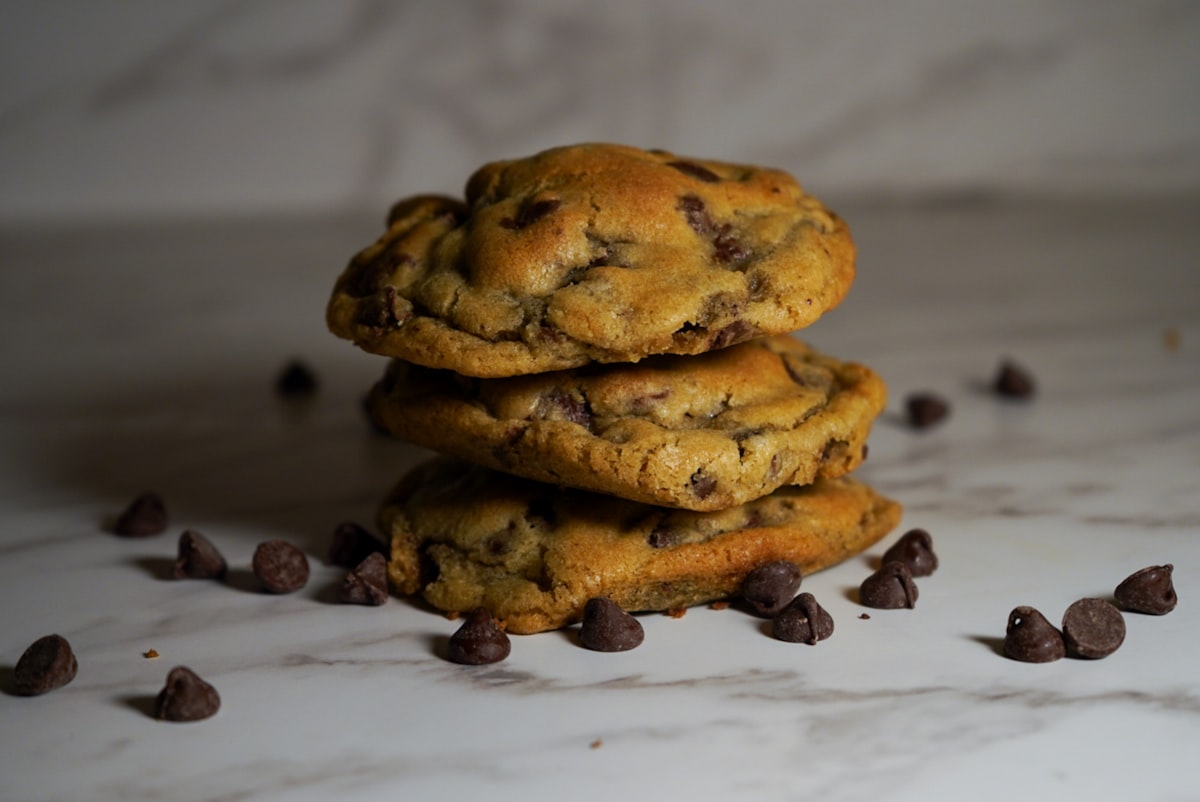
The Secret to Perfect Soft Cookies Every Time
Soft, chewy cookies aren't luck — they're a handful of small decisions about butter, sugar, mixing, and time. Here's everything I've learned.
Read more →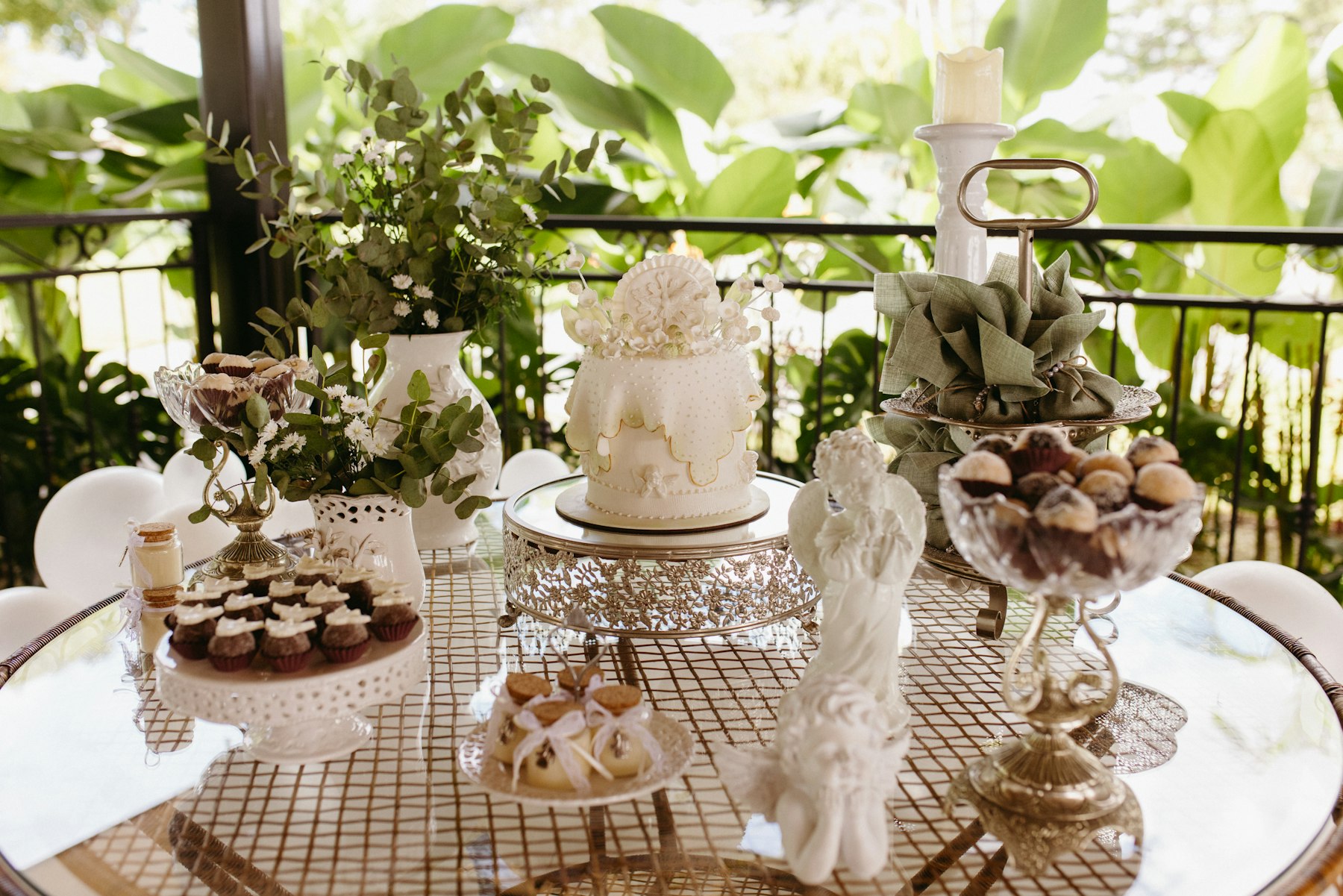 Decorating
10 Cupcake Decorating Ideas Anyone Can Master
You don't need pastry-school skills to make gorgeous cupcakes. These ten beginner-friendly techniques turn a tub of frosting into a showstopper.
Read more →